What is QoS?
Quality of Service refers to a set of techniques and mechanisms designed to manage network resources by prioritizing specific types of traffic. QoS aims to provide a consistent, reliable internet experience by ensuring that critical applications receive the necessary bandwidth and low latency, particularly during peak usage times.
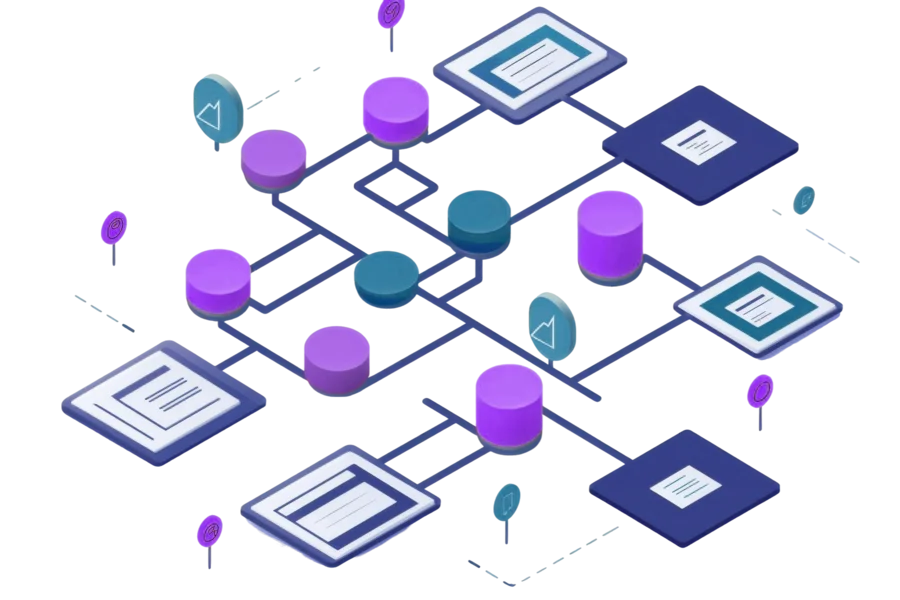
How QoS Works

Traffic Classification and Prioritization
Our systems categorize traffic into different classes based on the type of application, user needs, and the urgency of the data being transmitted. For example, video conferencing and online gaming are prioritized over general web browsing or file downloads.

Bandwidth Reservation
QoS allows us to reserve a specific amount of bandwidth for high-priority services. This reservation is dynamic; during times of low demand, additional bandwidth can be allocated to other services without compromising critical applications.

Traffic Shaping
We implement traffic shaping techniques to control the amount of data sent over the network. By smoothing out bursts of traffic and ensuring a steady flow, we can reduce congestion and enhance overall performance.

Congestion Management
During periods of high traffic, our QoS mechanisms automatically manage congestion by prioritizing critical data streams, ensuring that essential services remain operational while less important traffic may experience delays.
Traffic Policing
Traffic policing is an essential element of our commitment to maintaining a fair and efficient network. This technique allows us to monitor and control the flow of data traffic, ensuring that no single user or application monopolizes bandwidth.
Traffic policing involves monitoring data packets in real-time and enforcing bandwidth limits based on predefined thresholds. By implementing traffic policing, we can manage network resources effectively and ensure a balanced experience for all users.

Benefits of Traffic Policing
Fair Usage Policy
Traffic policing ensures that all users enjoy equitable access to network resources. No single user can hog the bandwidth, ensuring a smoother experience for everyone.
Reduced Congestion
By effectively managing excessive traffic, we can minimize slowdowns and maintain a high level of service during peak hours.
Increased Network Reliability
Traffic policing helps to enhance overall network reliability, ensuring that critical services remain unaffected even during busy periods.
Deep Packet Inspection (DPI)
Deep Packet Inspection (DPI) is a sophisticated technology that allows us to analyze data packets in great detail. This capability enhances our network management by providing valuable insights into traffic patterns and behaviors.
Traffic Analysis
By inspecting the contents of packets, DPI enables us to identify the type of applications generating traffic, such as video streaming, social media, or peer-to-peer file sharing. This detailed analysis allows us to better understand bandwidth usage and user behavior.
Policy Enforcement
DPI supports our ability to enforce service-level agreements (SLAs) and network policies. We can ensure that bandwidth allocations are adhered to and that any violations are promptly addressed.
Security Monitoring
DPI plays a crucial role in network security. By analyzing traffic patterns, we can detect potential threats, such as malware, unauthorized access attempts, and other suspicious activities.
Quality Assurance
DPI allows us to monitor the quality of services being delivered. By analyzing latency and packet loss for different applications, we can identify issues and make necessary adjustments to maintain optimal performance.
Our Commitment
to You
At SMARTNET, we're dedicated to providing a top-tier internet experience for all our customers. Through the strategic implementation of Quality of Service, traffic policing, and deep packet inspection, we ensure that our network is not only fast and reliable but also secure and fair.
- Transparency: We believe in open communication with our customers about how we manage our network and resources.
- Customer Support: Our team is always available to assist with any questions or concerns you may have regarding your internet service.
- Continuous Improvement: We are committed to continuously improving our services, leveraging the latest technologies to enhance your online experience.

Build your website
with Smartnet!

Reliable hosting, cloud, and connectivity solutions for businesses that need their digital infrastructure to just work.

